


Our earliest relationships don't just live in memory.
Attachment theory tells us that the blueprint we developed for feeling safe — or unsafe — in connection with others is one of the most powerful forces shaping our nervous system, our stress response, and our physical health.
When attachment patterns go unexamined, they can show up as:
Chronic stress, inflammation, or pain with no clear cause
Anxiety, depression, or emotional reactivity that feels stuck
Relational cycles that keep repeating — at home, at work, in relationships
A persistent sense that something is off, even when life looks fine on paper
Attachment coaching offers a clear, compassionate path into this work— grounded in neuroscience, somatic awareness, and the profound capacity we all have to rewire our earliest patterns.
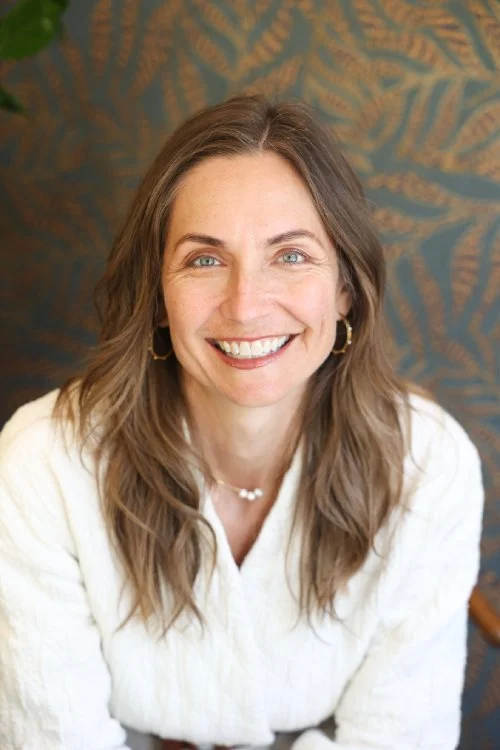
I am a licensed acupuncturist with fifteen years of clinical experience and a deep background in Buddhist meditation. Currently, I am expanding my practice by training to become an Integrative Attachment Coach, a step inspired by my own journey through complex illness and healing.
For me, this work is a calling—an offering to help you awaken the deep resilience already inside you, allowing you to shed old survival habits and create connections that are genuinely fulfilling and joyful.
Outside of my professional work, I am a proud mom and a passionate lover of the earth.
Attachment coaching is an action-oriented, supportive process that guides individuals to understand and change the deep, often subconscious, patterns stemming from their earliest experiences. Sessions draw on mindfulness, visualization, and somatic awareness to create real, lasting change.
Attachment coaching addresses core issues, such as:


ATTACHMENT COACHING SERVICES
Attachment coaching is available in person in Albany, CA and virtually for clients anywhere. Most clients meet weekly or biweekly, especially in the early stages of the work.
50 minutes · $200

I found this work the hard way.
For over fifteen years, I practiced as a women’s health acupuncturist, sitting with hundreds of patients whose physical symptoms—pain, fatigue, immune disorders, and hormonal imbalances—defied standard lab results and medical histories. It was during these years that I kept noticing a undeniable pattern: the body often carries what the heart hasn't been able to process.
This observation sparked a deep personal and professional inquiry. While decades of Buddhist meditation had already taught me how to witness the mind, I needed to understand how the mind shapes the body. That curiosity led me down the rabbit hole of attachment theory and eventually, into the laboratory of my own life.
A few years ago, I found myself facing a constellation of complex, chronic diagnoses with no clear path forward. When neither Western nor Eastern medicine could offer the answers I needed, I had to synthesize everything I knew to heal myself. What I discovered through that profound personal healing became the very framework I offer today.
Now, as an Integrative Attachment Coach, I bridge the gap between somatic symptoms and emotional roots. I specialize in helping clients navigate chronic conditions, stress-driven illness, and the deep-seated nervous system dysregulation that underpins so much of our physical suffering. My approach is warm, direct, and firmly grounded in both clinical rigor and lived experience.
Based in Albany, CA, I work with adults both in-person and virtually. Most of my clients already have a background in therapy or meditation, and are ready to cross the bridge from understanding their patterns to truly embodying their healing.
—
Licensed Acupuncturist in California
Integrative Attachment Therapy Level 1 (in process, with Supervision)
Integrated Attachment Theory Certification through the Personal Development School (in process)
The Missing Pieces of Attachment Theory: A Decolonized Approach, course completed with Linda Thai
Attachment: the missing link in health

Our physical health is inextricably linked to our attachment style. Research shows that insecure attachment is linked to chronic stress, inflammation, and higher risks of conditions like heart disease, chronic pain, and autoimmune flare-ups.
This is because attachment theory is fundamentally a theory of emotion and nervous system regulation. When we feel unsafe in relationships, our body stays in a constant state of defense, which impacts:


-
If you are still experiencing self-limiting beliefs, thought patterns, relationship dynamics that are troubling you, I think it’s worth a shot!
-
Absolutely! You do not need any particular background to engage with this work.
-
No! But if you are experiencing a health issue alongside attachment issues, I am happy to share clinical experience gleaned from 15+ years working as a women’s health acupuncturist.
-
First, we begin with a 20-minute video chat to see if it feels like a good fit for both of us. If we decide to move forward, you can fill out the digital intake paperwork and we’ll schedule your first session.
-
I like to take the first 15-20 minutes to hear an update about the previous week, and then we will move into the guided visualization using the IPF protocol.
-
IPF stands for Ideal Parent Figure. The creation of the IPF protocol springs from the understanding that when the therapist could act as a “good enough parent” there was therapeutic benefit to be gained for the client. The IPF takes this a step further, creating a relationship that is always accessible to the client. Part of our work together is to creatively blend real experiences and imagination to create parents that are ideally suited to you and your nature.
The IPF protocol developed by Daniel Brown, Ph.D. and elaborated by David Elliot, took the best practices of attachment repair techniques to date, and centered the most effective practices. This work has three pillars: Collaboration (between you and me), Metacognition (the ability to know what you are experiencing) and the Ideal Parent Figure protocol. -
Coaching and Therapy differ in their scope and focus. A therapist has the training to assess, diagnose and treat mental disorders. Therapists are highly regulated and require state-issued licensure as well as thousands of hours of supervised clinical work. Certified coaches tend to focus on specific behaviors or relational patterns and help the client develop skills and techniques to create change.
-
Yes!! This is called Earned Security and it is REAL!


“The comfort and security I’ve begun to experience with my IPFs is remarkable and very hopeful. I am calmer and more confident.”—N.S., former client
“I thought I had tried everything for my anxious attachment... a decade of therapy, all the self help books, meditation, etc. When I started working with Amanda, that's when things finally started to shift for me. Her attuned and compassionate presence and her guidance through the Ideal Parent Figure visualizations gave me the foundation I've always needed to find safety within myself, and stop seeking it from romantic partners. ”—M.G., former client
“Amanda is very compassionate, empathetic, patient and understanding. I highly recommend her! ”—Former client


Some parts of you have been waiting a long time to be seen.
If you’re feeling called to do this work, you don’t have to do it alone. We’ll start with a short conversation and take it from there.